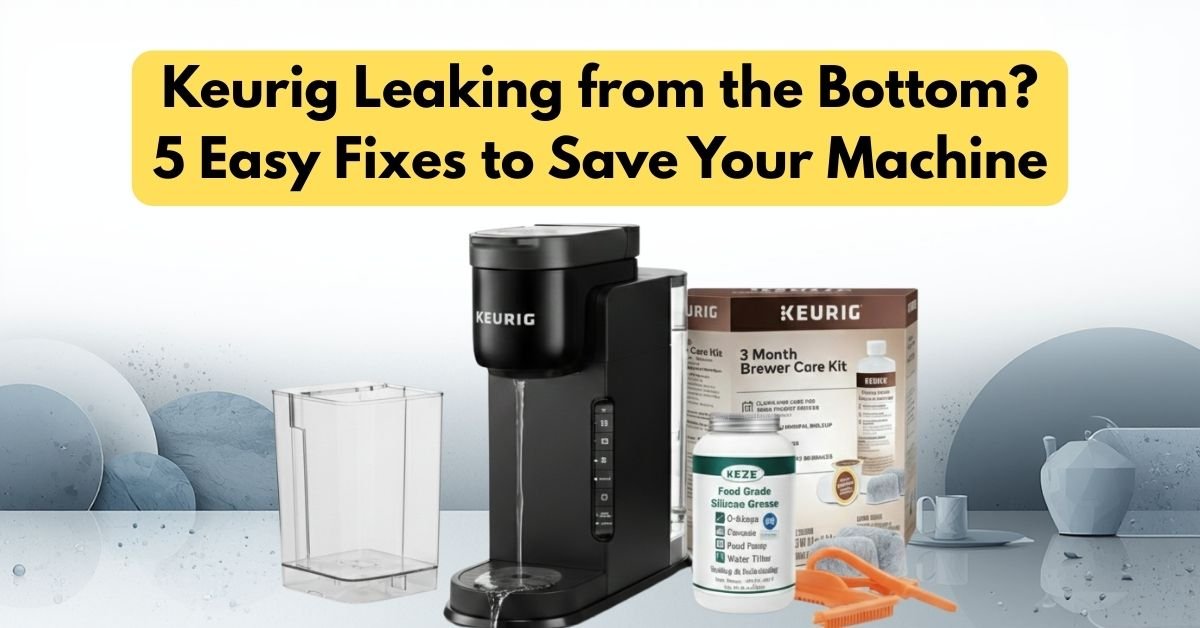
There is nothing quite like the disappointment of walking into your kitchen and finding a Keurig leaking from the bottom when you’re ready for your first hit of caffeine, only to find your coffee maker sitting in a puddle. If you’ve discovered water seeping from under your machine, you aren’t alone. A Keurig leaking from the bottom is one of the most common issues owners face, but before you toss it in the bin, I have some good news: most of these leaks are “DIY” fixes that take less than 10 minutes.
In this guide, we’ll look at the 5 most common reasons for a leaky base and the best tools to keep your morning routine dry and caffeinated.
1. Check the Reservoir to Fix a Keurig Leaking from the Bottom
The most frequent cause of a “bottom leak” isn’t an internal break—it’s a simple seating issue. Most Keurig models use a removable tank with a spring-loaded valve at the base. If this valve is blocked by a tiny bit of debris or isn’t pushed down firmly, water will slowly weep out.
The Fix: Remove your water tank, wipe the base and the receiver on the machine with a clean cloth, and reseat it. You should feel a firm “click” or settle. If you notice a crack in your tank, it’s time for a replacement.
- Best Choice: Genuine Keurig Replacement Water Reservoir (Check your specific model number before buying!)

- Handle Color Is Silver
- If your Keurig Reservoir is cracked, broken or faulty, use this replacement Reservoir to restore your Keurig
- Exclusively for the Keurig K-Café Single Serve Coffee, Latte & Cappuccino Maker.
2. The “O-Ring” and Silicone Solution
Over time, the rubber O-ring that seals the connection between the tank and the machine can dry out or shift. This causes a slow, annoying drip that looks like it’s coming from the very bottom of the brewer.
The Fix: Apply a tiny amount of food-grade silicone grease to the rubber seal at the bottom of the tank. This refreshes the rubber and creates a watertight suction. If the ring is totally worn, a small O-ring kit is a lifesaver.
- Best Seller: Food Grade Silicone Grease for Coffee Machines
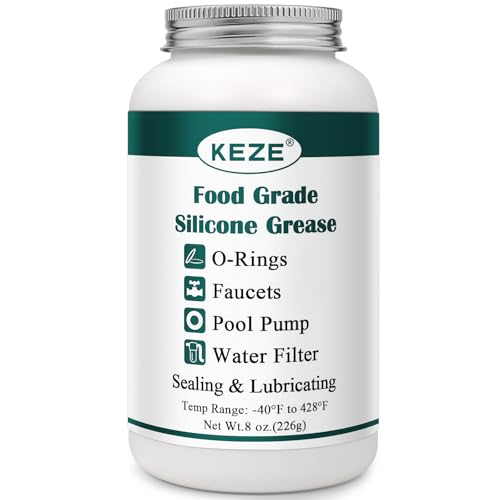
- Silicone lube for pool/spa equipment and O-rings,water filters, cartridges, unions, salt cells, valves,seal and more
- Food Grade: Synthetic food safe grade lube, odorless,no chemical contamination to drinking water. Temperature Range: -40…
- Extends the life of O-Rings by preventing rust and corrosion, reduces wear. Seal out moisture and corrosion from water s…
3. Clogged Needles and Backpressure
This sounds strange, but a clog at the top can cause a leak at the bottom. When the exit needle (where the coffee comes out) gets packed with old grounds, the water has nowhere to go. The pressure builds up inside the internal tubes until a connection “weeps” water out of the bottom of the machine.
The Fix: Use a paperclip or a dedicated cleaning tool to clear the entrance and exit needles.
- Top Pick: Needle Cleaning Tool for Keurig 2.0
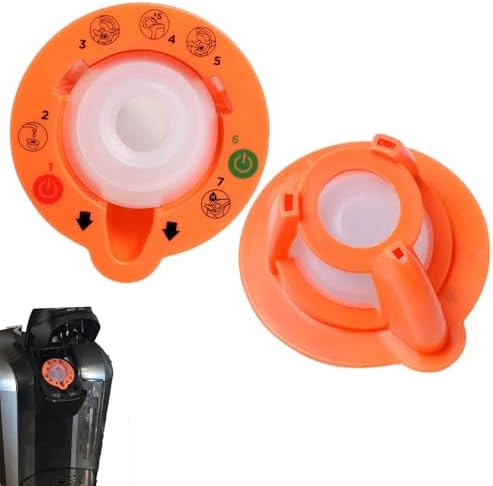
- ❤【Perfect Fit】– Compatible with Keurigg (R) 2.0 and Plus Series brewers / coffeemakers, including models K200, K250, K3…
- ❤【Premium Quality】– The replacement part is made from durable high quality material and well-tested by the manufacturer
- ❤【Note】–Will not Compatible with non-Ke-urigg (R) brewers or other Ke-urigg (R) models not listed.Will not work with K5…
4. Scale Buildup (The Silent Killer)
If you live in an area with hard water, calcium deposits (scale) are building up inside your Keurig’s internal heater and pipes right now. Eventually, this scale blocks the flow, causing “backflow” leaks from the internal tubing joints.
Often, mineral buildup is the hidden culprit behind a Keurig leaking from the bottom, especially if you haven’t descaled in months.
The Fix: You should descale your machine every 3 months. While vinegar works, the official citric-acid-based solutions are much more effective at breaking down tough calcium without the lingering smell.
- Amazon’s Choice: Keurig Descaling Solution & Maintenance Kit
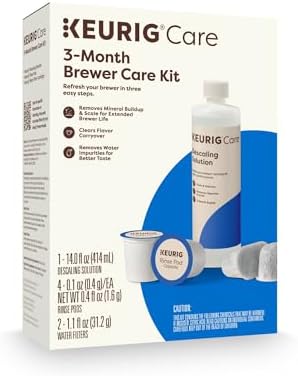
- INCLUDES: 4 Keurig Rinse Pods, 1 Descale Solution, and 2 Water Filter Cartridge Refills
- RINSE PODS: reduces flavor carry-over between brews
- QUICKEST WAY TO CLEAN YOUR K-Cup pod holder: rinse away residue and oils that can build up in your coffee maker
5. The Drip Tray Overflow
Sometimes, the simplest explanation is the right one. If your drip tray is full, or if you accidentally brewed a large cup without a mug in place, the water flows into the “internal overflow” and pours out from the bottom of the machine.
The Fix: Simply remove and empty the drip tray. If the “leak” stops, you’ve found your culprit!
Final Pro-Tip for Kitchen Recaps Readers
Dealing with a Keurig leaking from the bottom doesn’t have to mean buying a brand-new machine immediately.
To prevent 90% of these leaks, always use filtered water. Mineral buildup is the #1 reason coffee makers die early. If your machine is more than 5 years old and these fixes don’t work, it might be time to treat yourself to a 2026 upgrade.
- STRONG BREW: Increases the strength and bold taste of your coffee’s flavor.
- 3 CUP SIZES: Brew an 8, 10, or 12 oz. cup at the push of a button.
- MULTIPLE CUP WATER RESERVOIR: 42oz. removable reservoir lets you brew up to 4 cups before refilling. 8 oz. cup size
- FAST & FRESH BREWED: Delicious coffee made in minutes.
- TRAVEL MUG FRIENDLY: Removable drip tray accommodates travel mugs up to 7.4” tall.
- ENERGY EFFICIENT: Auto off feature turns off your coffee maker 5 minutes after the last brew, helping to save energy.